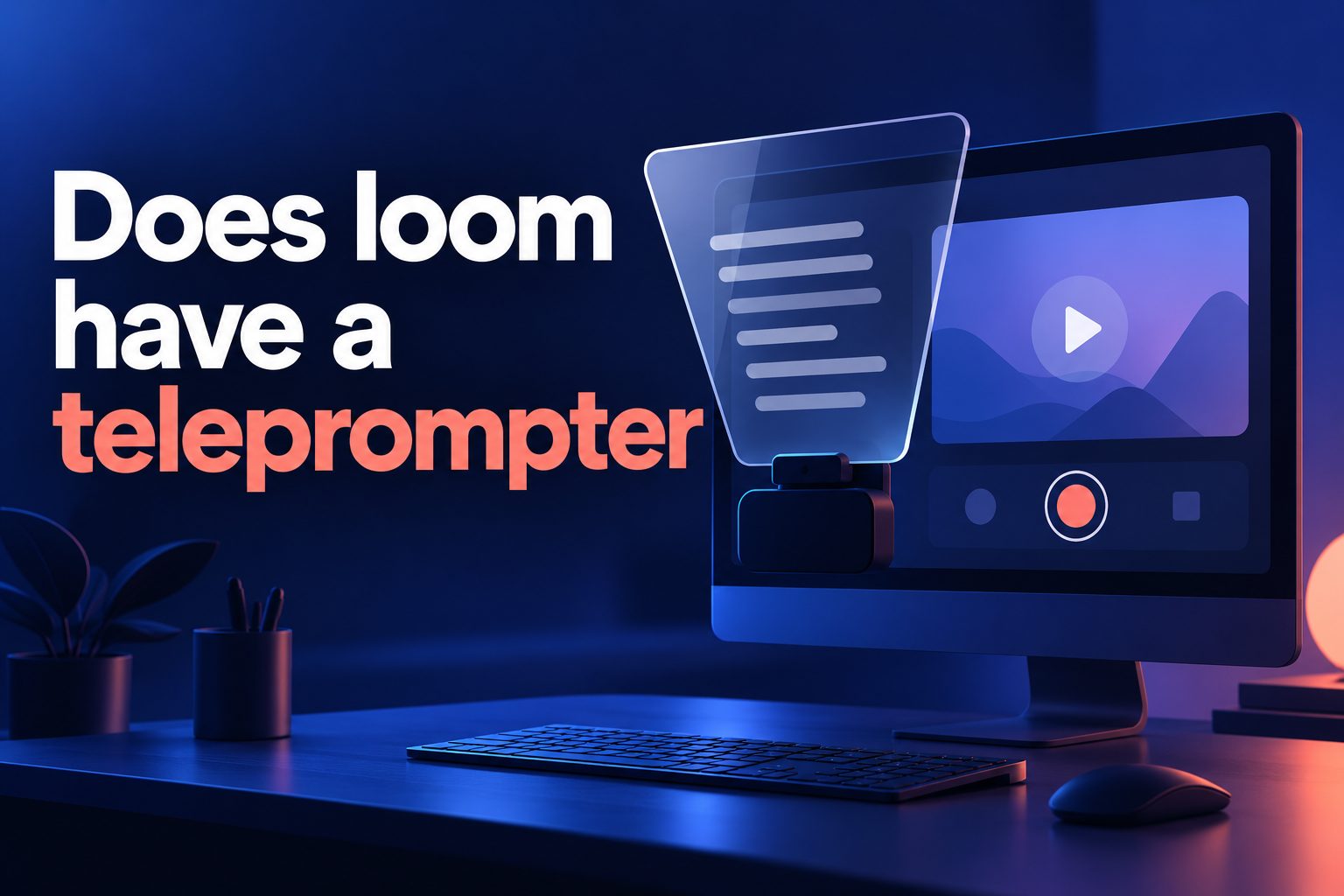
Does Zoom have a teleprompter? The short answer is that standard Zoom Meetings do not currently include a built-in scrolling teleprompter for reading a script during a live call. However, you can still create an effective teleprompter setup with a separate application, a document positioned near your webcam, a Zoom-compatible marketplace app, or dedicated teleprompter hardware. The best approach depends on whether you are leading a casual meeting, delivering a webinar, teaching a class, recording a presentation, or speaking at a major online event. A good setup helps you remember important points while maintaining natural eye contact with your audience. This guide explains what Zoom can and cannot do, how to use a teleprompter alongside it, which setup options are available, and how to avoid looking as though you are reading. You will also learn practical techniques for preparing scripts, controlling scrolling speed, protecting private notes, and presenting with greater confidence.
Does Zoom Include A Built-In Teleprompter
Zoom Meetings does not provide a standard native tool that automatically scrolls your prepared script beside the camera during a live meeting. Features such as captions, transcripts, meeting notes, and presenter views serve different purposes and should not be confused with a teleprompter.
You can open notes inside or beside Zoom, but ordinary notes do not move at a controlled reading speed. You must scroll them manually, use keyboard controls, or ask another person to advance the content.
Zoom captions display words being spoken during the meeting. They help participants follow a conversation, but they do not show the speaker what to say next. A transcript also records speech rather than presenting a prepared script.
Some third-party applications can work alongside Zoom or appear through integrations. Their availability, pricing, permissions, and compatibility may change, so check the current product details before relying on one for an important event.
Therefore, the practical answer is no for a native live-meeting teleprompter, but yes for using teleprompter software or hardware with Zoom. In most cases, the setup is straightforward and does not change what other participants see.
How A Zoom Teleprompter Setup Works
A teleprompter places your script close to the camera so you can read while appearing to look at your audience. Several elements determine how natural the final presentation feels.
1. Script Display
Your script appears in a floating window, browser page, document, tablet, or dedicated prompting display. The text should be large enough to read without squinting but narrow enough that your eyes do not visibly travel from one side of the screen to the other.
2. Camera Placement
The closer the words are to your webcam lens, the stronger your apparent eye contact will be. Positioning a narrow script window directly below the camera usually works better than reading from notes placed at the side or bottom of a large monitor.
3. Scrolling Control
Teleprompter software may scroll automatically at a selected speed or respond to a keyboard, mouse, remote, foot pedal, or voice. Manual control is useful during interactive meetings because you can pause whenever someone asks a question or changes the discussion.
4. Private Viewing
Your audience normally sees only the video feed unless you intentionally share the teleprompter window or entire screen. Selecting a specific presentation window for screen sharing can help keep your script, messages, and other private material hidden from participants.
5. Reading Rhythm
A well-prepared script uses short sentences, intentional pauses, and conversational language. This allows you to speak naturally instead of chasing moving text. The scrolling speed should follow your delivery rather than forcing you to speak faster than feels comfortable.
6. Audience Connection
A teleprompter supports eye contact, but it should not eliminate genuine interaction. Pause to respond to facial expressions, questions, and comments. Looking away briefly can make your delivery feel more human, while an unbroken stare may appear rehearsed or unnatural.
Useful Zoom Features For Scripted Presentations
Although Zoom does not replace dedicated prompting software, several built-in capabilities can support a scripted presentation when used carefully.
- Meeting Notes: Notes can hold outlines, reminders, questions, and essential facts, although they do not behave like an automatically scrolling script.
- Screen Sharing: Sharing one chosen window lets you show slides while keeping your script and personal workspace private.
- Dual-Monitor Support: A second display provides more room for participant video, slides, controls, and speaker notes.
- Captions: Live captions improve accessibility for attendees, but they display spoken content rather than upcoming lines.
- Recording: A private practice recording reveals distracting eye movement, poor pacing, and awkward script transitions.
- Webinar Controls: Host and panelist controls help manage formal events while the presenter follows a separate prompting system.
How To Use A Teleprompter With Zoom
The following process creates a practical software-based setup without requiring specialized studio equipment.
- Prepare The Script: Write conversational sentences and separate major ideas with visible spacing.
- Choose A Prompting Tool: Select a trusted application, browser tool, document, or presentation program that suits your device.
- Open Zoom First: Join a test meeting and confirm that your camera, microphone, and speakers work correctly.
- Resize The Windows: Keep Zoom visible while placing a narrow script window close to the webcam.
- Adjust The Text: Increase the font size, shorten each line, and choose a comfortable contrast level.
- Set The Speed: Begin with a slower scrolling pace and increase it only after your delivery feels natural.
- Check Screen Sharing: Confirm that participants will see only the intended slide or application window.
- Record A Test: Review your eye movement, posture, timing, audio, lighting, and transitions before going live.
Zoom Teleprompter Options Compared
There is no single setup that suits every speaker. Comparing convenience, control, cost, and eye contact will help you choose wisely.
1. A Document Beside The Camera
A basic document is the simplest free option. Reduce the window width and place it beneath your webcam. It works well for short outlines, but manual scrolling can interrupt your rhythm and may create visible hand or eye movement.
2. Dedicated Teleprompter Software
Dedicated software usually offers automatic scrolling, adjustable text, mirrored display, remote controls, and saved scripts. It is useful for polished presentations, although you should test its system requirements and ensure it does not cover important Zoom controls or participant video.
3. Zoom Marketplace Integrations
A compatible marketplace app may provide prompting functions within or alongside the Zoom experience. This can simplify window management, but administrators may restrict installations. Review permissions, subscription terms, platform support, and current compatibility before an important presentation.
4. A Phone Or Tablet
A phone or tablet placed near the webcam provides a separate script display without crowding your computer screen. This is affordable and reliable, but the device must be mounted securely and positioned close enough to prevent obvious sideways glances.
5. A Second Monitor
Two monitors give you space for Zoom, slides, notes, and participant reactions. This arrangement is excellent for managing complex events, but reading from a distant second screen can weaken eye contact unless the script window remains close to the main camera.
6. Physical Teleprompter Hardware
A beam-splitter teleprompter reflects text directly in front of the camera lens, creating the most convincing eye contact. It delivers professional results for frequent presenters, but it costs more and requires careful alignment, sufficient desk space, and compatible camera equipment.
Practical Zoom Teleprompter Use Cases
Prompting is valuable whenever accuracy, timing, or consistent wording matters. These common situations show where it can provide the greatest benefit.
1. Business Presentations
Executives can follow prepared talking points during company announcements, investor briefings, or client presentations. A teleprompter helps preserve approved wording and important figures while allowing the speaker to face the camera instead of repeatedly looking down at printed notes.
2. Webinars And Training
Webinar hosts can use a script to manage introductions, transitions, learning objectives, and calls for audience participation. The prompt keeps the session organized while allowing room for demonstrations and questions, which should remain flexible rather than completely scripted.
3. Online Teaching
Teachers can display lesson outlines, definitions, examples, and reminders near the camera. This reduces the chance of missing essential material while preserving visual connection with students. Short prompts are usually more effective than reading an entire lesson word for word.
4. Job Interviews
Candidates may keep brief reminders about achievements, examples, and questions near the webcam. A full script is risky because answers can sound rehearsed. Keywords and concise prompts provide support while leaving enough freedom for authentic conversation and thoughtful follow-up responses.
5. Virtual Events
Hosts of awards, conferences, and ceremonies often need exact names, introductions, sponsor messages, and timing cues. A teleprompter reduces avoidable errors and supports smooth transitions, especially when several speakers or tightly scheduled segments must be coordinated remotely.
6. Recorded Zoom Videos
When Zoom is used to record tutorials, updates, or internal messages, a teleprompter can reduce retakes. The presenter can deliver complete sections cleanly, maintain consistent pacing, and edit the recording more easily because there are fewer long pauses or forgotten points.
Common Zoom Teleprompter Mistakes To Avoid
Even reliable prompting software can produce a poor presentation when the text, screen arrangement, or delivery has not been prepared properly.
1. Sharing The Wrong Screen
Sharing an entire desktop may reveal your script, notifications, email, or private documents. Choose a specific application window whenever possible. Before attendees arrive, conduct a test with another device or person to confirm exactly what the audience can see.
2. Placing Text Too Far Away
Notes positioned at the side of a wide monitor create obvious eye movement. Move the text close to the webcam, narrow the reading column, and increase the font size. These small adjustments usually improve perceived eye contact without requiring additional equipment.
3. Writing Formal Sounding Scripts
Sentences written for reports often sound stiff when spoken aloud. Use familiar words, contractions, short phrases, and clear transitions. Reading the script aloud during editing will reveal complicated wording, unnatural rhythm, and places where you need breathing room.
4. Scrolling Too Quickly
Fast text encourages rushed speech and shallow breathing. Set the speed slightly below your expected pace, then pause when necessary. If the software supports remote or voice control, practice using it so adjustments do not distract you during the meeting.
5. Reading Without Expression
A perfect script cannot compensate for a flat delivery. Vary your pace, emphasize meaningful words, smile when appropriate, and pause after important ideas. Think about the message you are communicating rather than concentrating only on keeping up with the text.
6. Skipping A Full Rehearsal
A quick technical check is not enough for a high-stakes event. Rehearse with the actual computer, camera, script, slides, and screen-sharing arrangement. A complete run-through exposes timing problems, blocked controls, notifications, performance issues, and difficult transitions before attendees arrive.
Best Practices For Zoom Teleprompter Presentations
The most convincing speakers treat the teleprompter as a quiet guide rather than a substitute for preparation or audience awareness.
1. Write For The Ear
Use language that sounds natural when spoken, not merely correct on a page. Keep sentences relatively short and place pauses between ideas. Phonetic spellings can help with difficult names, while emphasized words can remind you where to add energy.
2. Use A Narrow Reading Area
Limit each line to a compact group of words near the camera. Wide lines force your eyes to sweep across the screen, making it clear that you are reading. A narrow column also makes your place easier to find after interruptions.
3. Keep Key Controls Accessible
Do not let the prompting window cover mute, video, chat, participant, or sharing controls. Arrange the workspace before the meeting and learn any keyboard shortcuts you plan to use. Fast access is particularly important when you are hosting the session alone.
4. Build In Natural Pauses
Add blank lines or clear markers where you intend to breathe, change slides, invite comments, or check the audience. These cues prevent an uninterrupted monologue and give participants time to absorb information before you move to the next important point.
5. Prepare A Backup Copy
Keep a short outline on paper or another device in case the prompting application freezes. The backup should include major sections, essential figures, names, and the closing message. It can help you continue confidently without delaying the entire meeting.
6. Maintain Flexible Eye Contact
Look directly toward the camera for key statements, but occasionally glance at participants and react naturally. During questions, stop reading and listen fully. This balance makes the presentation feel like a genuine conversation rather than a pre-recorded speech delivered live.
Advanced Tips For A Natural Delivery
Once the basic setup works, a few refined techniques can make scripted Zoom presentations feel more relaxed, responsive, and professional.
1. Mark Changes In Tone
Add simple cues for pauses, emphasis, warmth, or slower delivery. These reminders are particularly useful during long scripts, where concentration can cause your voice to become monotonous. Keep the markings simple so they do not clutter the reading area.
2. Use Keywords For Interactive Sections
Switch from full sentences to short prompts when discussion begins. Keywords help you cover required points without forcing every response into predetermined wording. This approach makes it easier to acknowledge comments, answer unexpected questions, and return to your planned structure.
3. Match Speed To Meaning
Technical instructions, important figures, and unfamiliar concepts deserve a slower pace than introductions or routine transitions. If one automatic speed cannot accommodate the whole script, divide the material into sections or use manual controls for more precise pacing.
4. Separate Slide And Speech Cues
Make slide changes visually distinct from spoken lines so you never read an instruction aloud accidentally. Clear cues also reduce hesitation during transitions. Rehearse each change while screen sharing because presentation mode can alter window positions and available controls.
5. Leave Space For Improvisation
A strong script should provide structure without removing personality. Add optional examples, brief stories, or conversational transitions that you can use when time permits. This flexibility helps the presentation respond naturally to audience interest, timing changes, and unexpected interruptions.
6. Review A Practice Recording
Watch your recording with the sound on and then without it. Listening reveals pace and vocal energy, while silent viewing highlights eye movement, posture, and facial expression. Make one or two focused improvements instead of trying to change everything immediately.
Frequently Asked Questions
Can I Read A Script On Zoom Without Others Seeing It?
Yes. Keep the script in a separate window and avoid sharing your entire desktop. If you need to show slides, share only the presentation window. Test the participant view beforehand because screen-sharing choices and monitor arrangements can affect what attendees see.
Can Zoom Notes Work As A Teleprompter?
Zoom notes can hold talking points and reference material, but they are not the same as a scrolling teleprompter. They may be suitable for a short outline. For a long prepared speech, dedicated prompting software generally offers better speed and display controls.
Can I Use A Free Teleprompter With Zoom?
Yes. Free browser-based tools, basic prompting applications, presentation software, or an ordinary document can work beside Zoom. Evaluate privacy, advertisements, script limits, offline availability, and device compatibility before using any free tool for confidential or high-stakes content.
Will Participants Know I Am Using A Teleprompter?
Participants usually will not see the teleprompter unless you share it. However, they may notice repetitive eye movement, an unnatural pace, or limited expression. Placing the words near the lens and rehearsing the delivery makes the prompting much less noticeable.
Can I Use A Teleprompter During A Zoom Webinar?
Yes. A separate teleprompter can be used while presenting in a Zoom webinar. Hosts and panelists should test the complete arrangement, including slides, screen sharing, chat, question management, and prompting controls, because webinars often involve more windows than ordinary meetings.
What Is The Best Teleprompter Setup For Zoom?
For occasional use, a narrow script window directly beneath the webcam is usually sufficient. Frequent professional presenters may prefer dedicated software, a remote controller, or physical teleprompter hardware. The best option is the one that preserves eye contact without complicating meeting controls.
Conclusion
Zoom does not offer a standard built-in scrolling teleprompter for live meetings, but several practical alternatives can deliver the same result. A document near the webcam may be enough for simple presentations, while dedicated software, a second device, an integration, or physical hardware can support longer and more polished sessions.
Whichever method you choose, prioritize natural language, readable text, controlled pacing, secure screen sharing, and a complete rehearsal. Treat the script as guidance rather than something that must be followed mechanically. With thoughtful positioning and preparation, you can stay accurate, maintain convincing eye contact, and communicate comfortably on Zoom.